























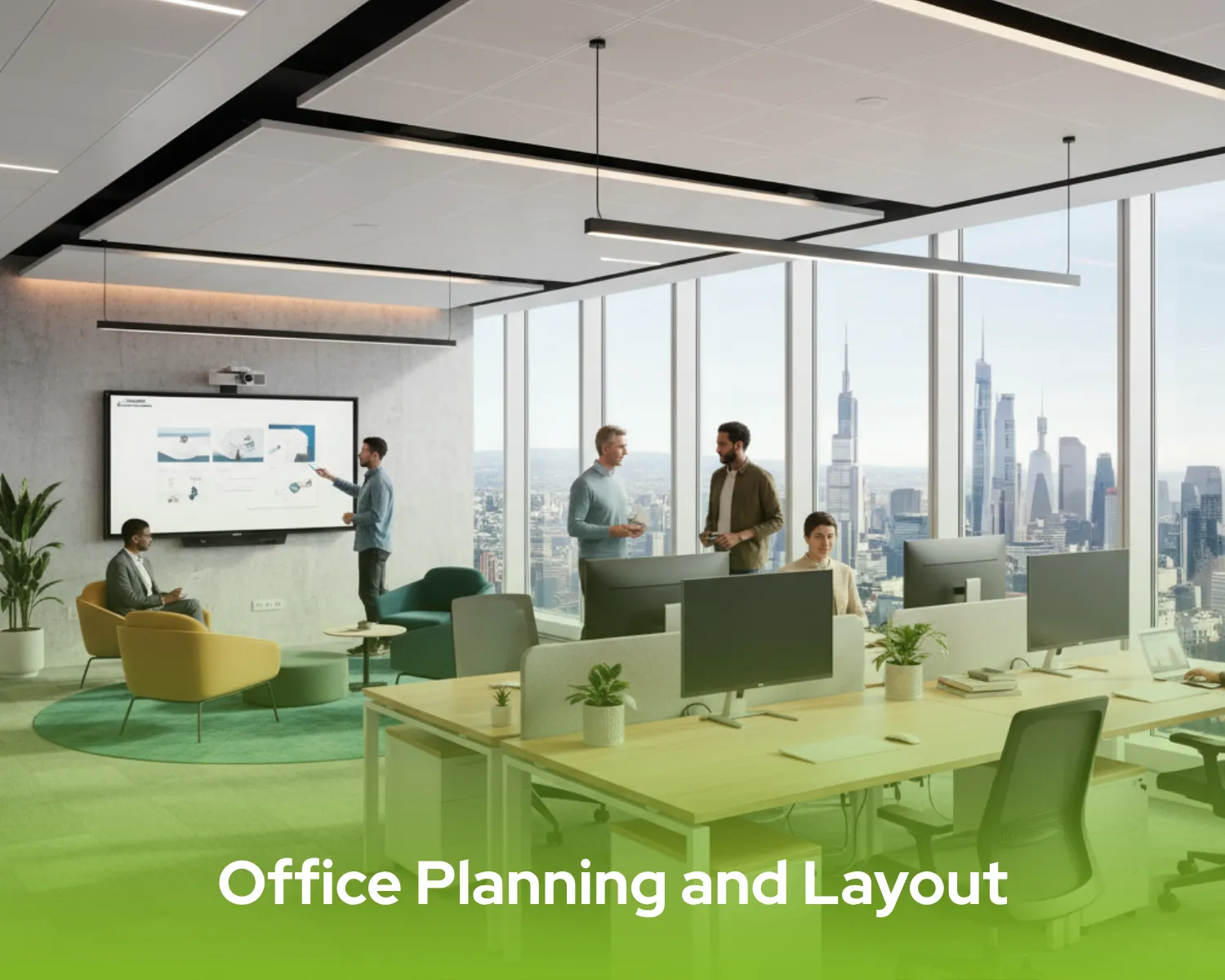
Optimizing Your Workspace: The Art and Science of Office Planning and Layout
In today’s dynamic business environment, an office is far more than just a place to work; it’s a strategic asset that profoundly impacts productivity, employee well-being, and organizational culture. The days of generic cubicle farms are rapidly fading, replaced by a nuanced understanding that effective office planning and layout can be a powerful catalyst for success.
The way we configure our workspaces directly influences how we collaborate, focus, innovate, and even perceive our employers. A well-designed office can inspire creativity, reduce stress, and foster a sense of community, while a poorly planned one can lead to disengagement, inefficiency, and high turnover.
This comprehensive guide will delve into the critical aspects of modern office planning and layout. We’ll explore the evolving philosophies behind workspace design, uncover the key elements that contribute to an optimal environment, and discuss how intelligent design choices can drive your business forward. Whether you’re considering a complete overhaul or subtle enhancements, understanding these principles is crucial for creating a workspace that truly works for you and your team.
Pramo Prefabricated: Agile Solutions for Modern Office Planning and Layout
At Pramo Prefabricated, we understand that effective office planning and layout extends beyond interior design; it involves creating the very structures that house these dynamic workspaces. Our expertise in modular manufacturing allows us to provide innovative and flexible solutions for businesses looking to build, expand, or reconfigure their office spaces quickly and efficiently.
Our ability to rapidly deploy high-quality, customizable structures makes us an ideal partner for modern office needs, offering a significant advantage over traditional construction.
1. Prefabricated Offices
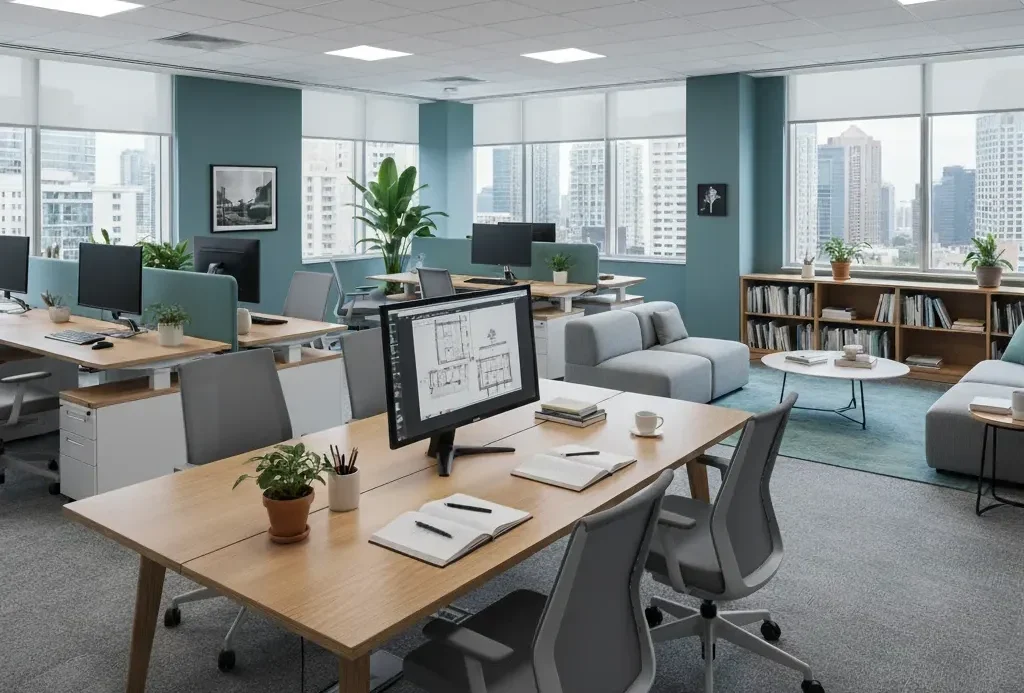
Our prefabricated office solutions offer unparalleled speed of deployment and design flexibility. Whether you need a temporary site office, an expanding administrative block, or a dedicated creative hub, our prefabricated buildings are designed for quick assembly and superior comfort. These structures can be customized to include multiple rooms, partitions, and all necessary utilities, facilitating optimal office planning and layout from the ground up.
2. Light Steel Structure Offices
For more permanent and robust office solutions, our light steel structures offer exceptional durability and design versatility. These buildings are earthquake-resistant, fire-resistant, and provide excellent thermal insulation. They can be engineered to create open-plan offices, multiple private offices, and dedicated meeting areas, allowing for diverse office planning and layout options that promote both collaboration and individual focus.
3. Container Offices
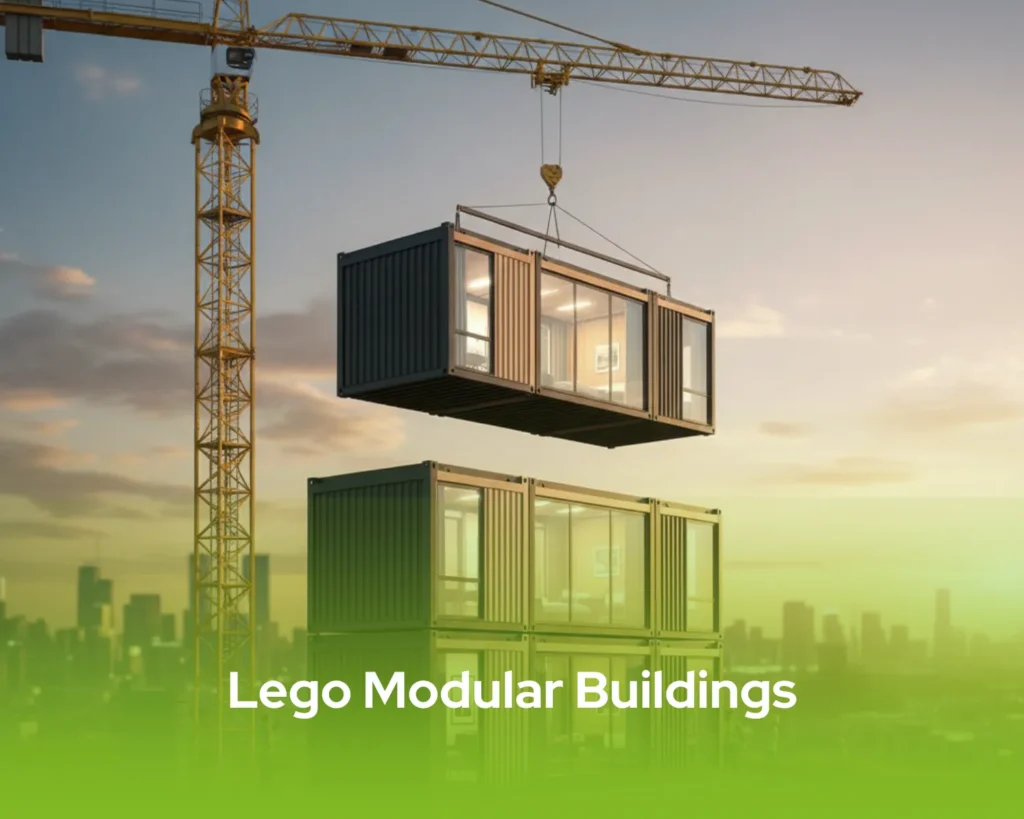
When speed, mobility, and adaptability are paramount, our container offices are the perfect solution. These robust, rapidly deployable units can be configured as single workstations, multi-person offices, or even stacked to create multi-story complexes. Ideal for temporary sites, growing businesses, or disaster relief, container offices provide a highly flexible canvas for creative office planning and layout, allowing businesses to scale their operations quickly. Our special focus on solar-powered container homes also extends to office applications, offering sustainable and off-grid possibilities.
The Evolution of Office Planning and Layout: From Cubicles to Collaboration Hubs
For decades, the standard office layout was largely functional, prioritizing individual workstations above all else. The rise of the cubicle in the mid-20th century was initially seen as an innovation, offering a degree of privacy within an open space. However, as business models shifted and the need for dynamic teamwork grew, these rigid structures began to hinder more than they helped.
The 21st century has ushered in an era where flexibility, collaboration, and employee experience are paramount. The traditional office has transformed into a multifaceted ecosystem, requiring diverse zones for different types of work. This evolution directly impacts modern office planning and layout strategies. Concepts like activity-based working (ABW), hot-desking, and agile workspaces have emerged as businesses seek to maximize space utilization and cater to varied work styles.
This shift isn’t just aesthetic; it’s deeply rooted in psychological and behavioral science. Studies have consistently shown that environments that support autonomy, comfort, and social interaction lead to happier, more engaged employees. As such, modern office planning and layout is now seen as a strategic investment rather than merely an operational expense.
For further insights into the history and trends of workspace design, you might find this article on office design trends insightful.
Key Principles for Effective Office Planning and Layout
Creating an optimal office environment requires a thoughtful approach, balancing various factors to meet the unique needs of your organization. Here are the core principles guiding successful office planning and layout:
1. Understanding Your Organizational Needs and Culture
Before drawing a single line, it’s essential to conduct a thorough analysis of your company.
- Workflows: How do different departments interact? What are their daily tasks and processes?
- Collaboration vs. Focus: What balance between collaborative spaces and quiet zones is needed? Some teams thrive on constant interaction, while others require deep concentration.
- Company Values: Does your culture emphasize hierarchy or egalitarianism? Innovation or tradition? Your office planning and layout should reflect these values.
- Growth Projections: How many employees do you expect in the next 3-5 years? A flexible layout can accommodate future expansion.
2. Optimizing Space Utilization and Flow
Efficient use of space is critical. This doesn’t mean cramming as many desks as possible, but rather designing a layout that facilitates movement and minimizes wasted areas.
- Zoning: Create distinct zones for different activities:
- Collaborative Zones: Meeting rooms, open areas with flexible furniture, whiteboarding walls.
- Focus Zones: Private offices, quiet rooms, phone booths.
- Social Zones: Kitchens, break rooms, informal lounge areas.
- Transition Zones: Hallways, reception areas that guide movement effectively.
- Traffic Flow: Design pathways that minimize disruption. Avoid placing high-traffic areas through quiet zones.
- Flexibility: Implement modular furniture or movable partitions that allow the space to be reconfigured easily as needs change.
3. Prioritizing Ergonomics and Well-being
Employee health and comfort are non-negotiable. Ergonomic considerations reduce physical strain, while well-being initiatives boost morale.
- Ergonomic Furniture: Invest in adjustable chairs, desks, and monitors.
- Lighting: Maximize natural light. Supplement with adjustable artificial lighting to prevent eye strain.
- Temperature Control: Ensure comfortable and consistent temperatures throughout the office.
- Air Quality: Good ventilation and air purification systems are essential for health and focus.
- Biophilia: Incorporate natural elements like plants and views of nature to reduce stress and improve cognitive function.
4. Leveraging Technology Integration
Technology is the backbone of the modern office. Your office planning and layout must seamlessly integrate it.
- Connectivity: Ensure robust Wi-Fi and ample power outlets are easily accessible in all work areas.
- Meeting Room Tech: Implement intuitive video conferencing systems, smart whiteboards, and presentation tools.
- Smart Systems: Consider smart lighting, HVAC (Heating, Ventilation, and Air Conditioning), and booking systems for meeting rooms.
- Acoustics: Use sound-absorbing materials to manage noise levels, particularly in open-plan areas.
5. Embracing Aesthetics and Branding
The visual appeal of your office contributes to employee pride and client perception.
- Brand Identity: Use colors, materials, and artwork that reflect your company’s brand and values.
- Visual Interest: Incorporate diverse textures, patterns, and architectural elements to create an engaging environment.
- Cleanliness and Order: A well-maintained and organized office naturally feels more professional and inviting.
The Future of Office Planning and Layout
The future of office planning and layout will continue to be shaped by technology, sustainability, and the evolving needs of the workforce.
- Hybrid Work Models: Offices will increasingly cater to a mix of remote and in-office employees, necessitating more flexible and tech-enabled spaces.
- Smart Buildings: Integration of AI and IoT (Internet of Things) will optimize lighting, climate control, and space utilization in real-time, adapting to occupancy.
- Well-being Focus: Expect more biophilic design, dedicated wellness rooms, and emphasis on mental health-supporting environments.
- Sustainability: Materials, energy efficiency, and waste reduction will remain central to design decisions.
Conclusion: Investing in Strategic Office Planning and Layout
Your office is more than just a place where work happens; it’s a living, breathing ecosystem that profoundly impacts your business’s success. Strategic office planning and layout is an investment in your people, your culture, and your bottom line. By creating an environment that fosters productivity, collaboration, and well-being, you empower your team to achieve their best work.
Whether you’re looking to implement a brand-new design or enhance an existing space, considering these principles will guide you toward a more effective and inspiring workspace. Explore Pramo Prefabricated’s innovative and adaptable building solutions, which provide the ideal foundation for any modern office planning and layout strategy. Visit our homepage to learn how we can help you build the future of your workspace.