


























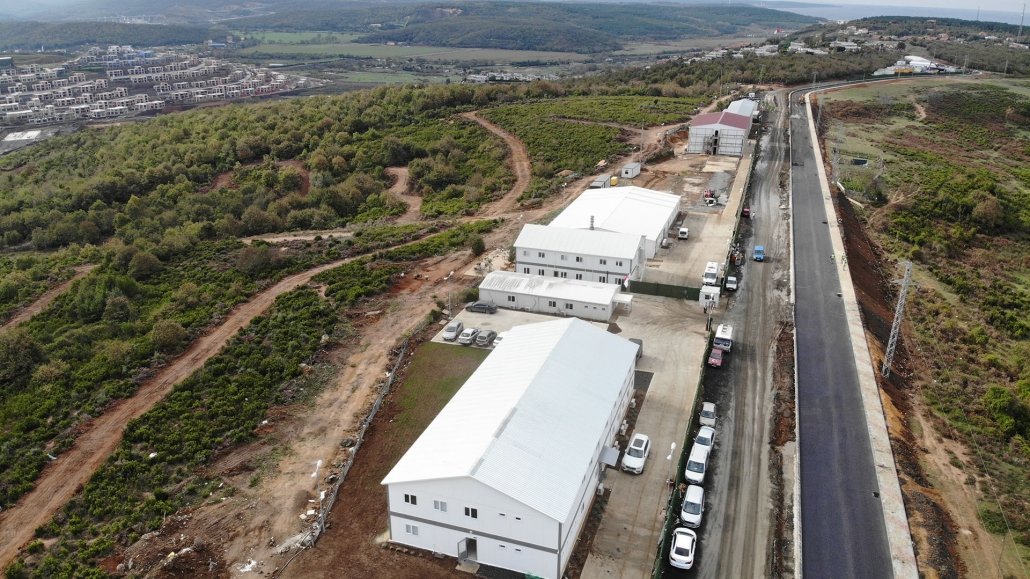

Advantages of Prefabricated Buildings
-
Rapid Installation and Flexibility
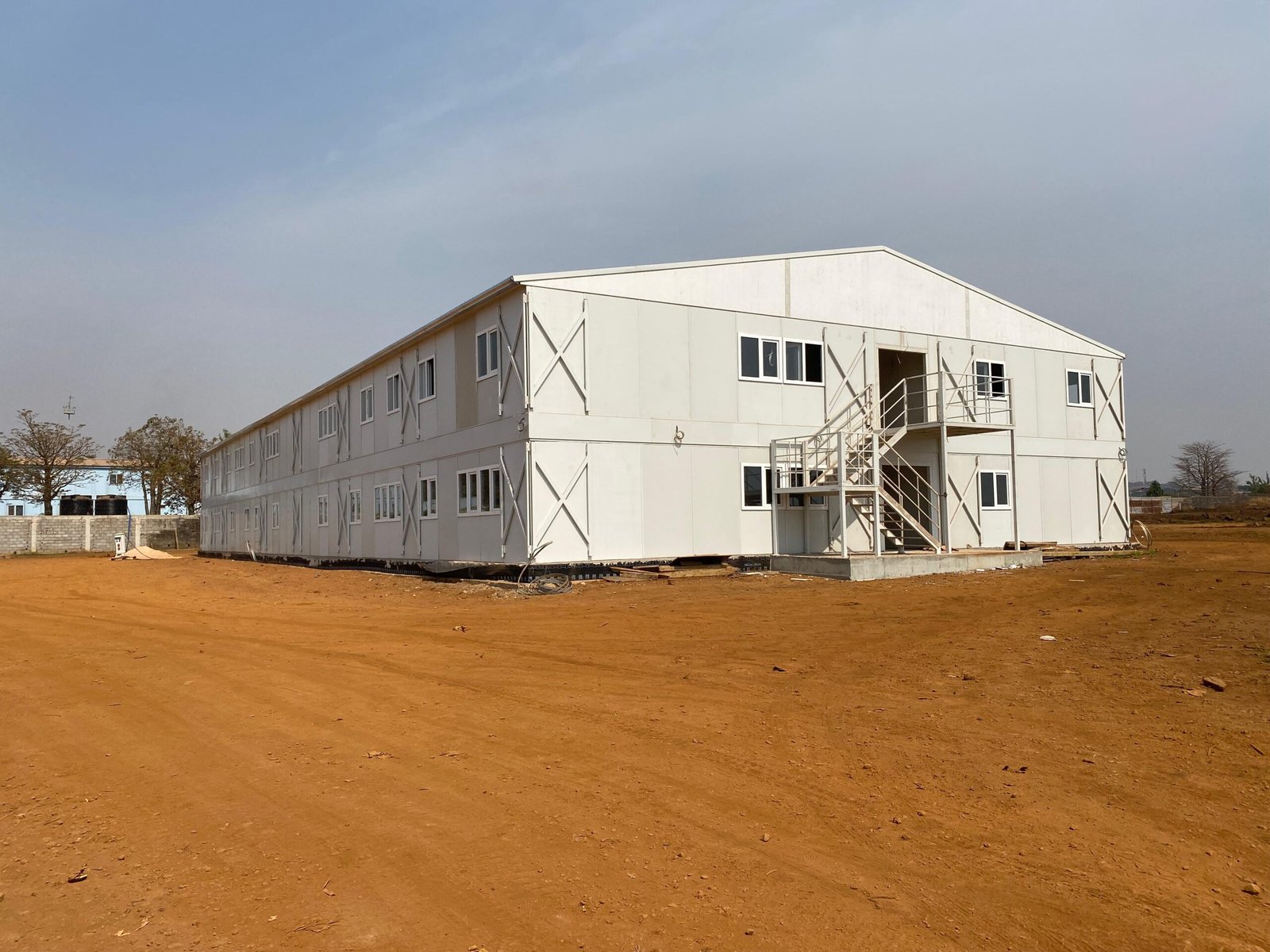
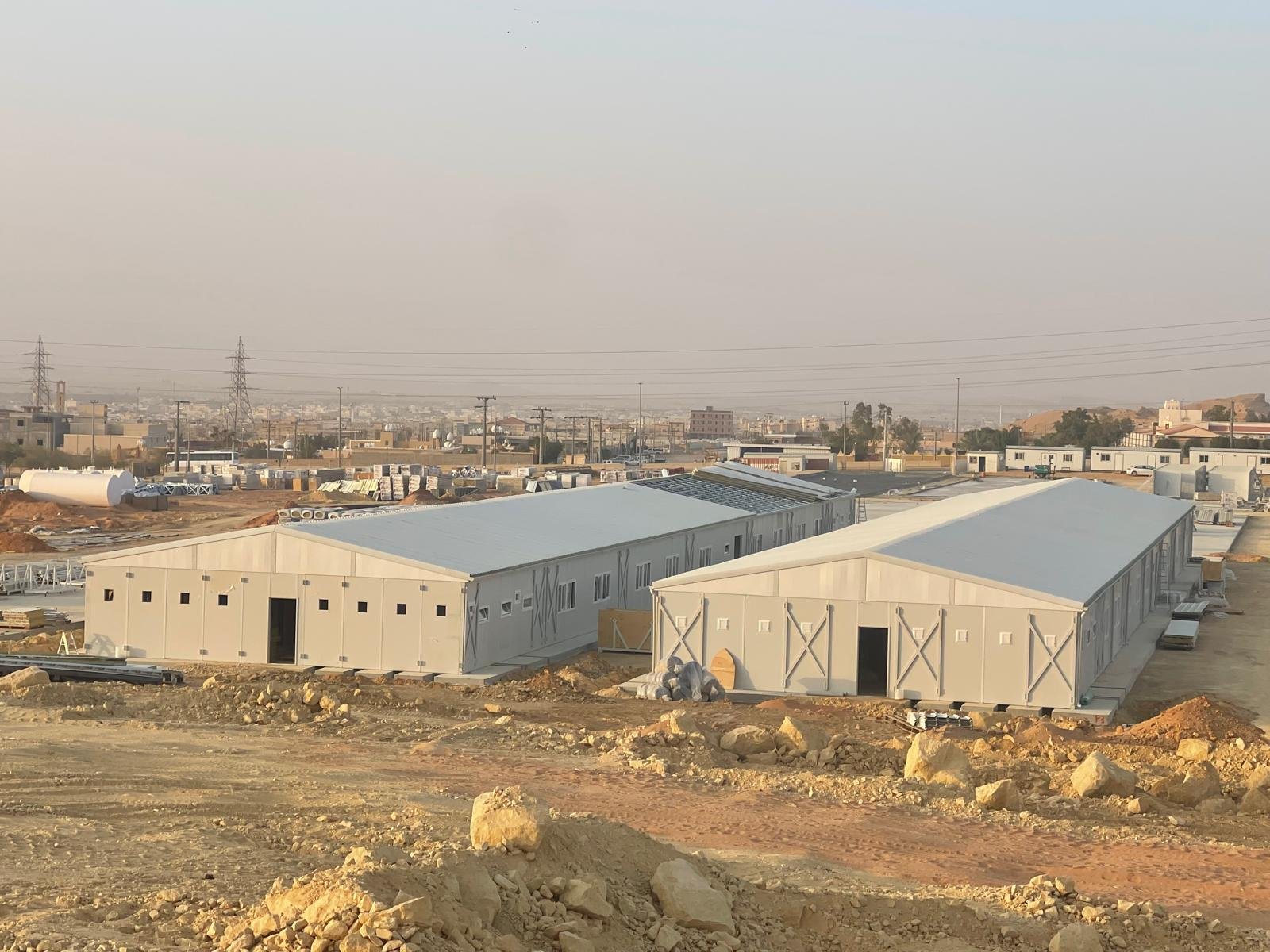
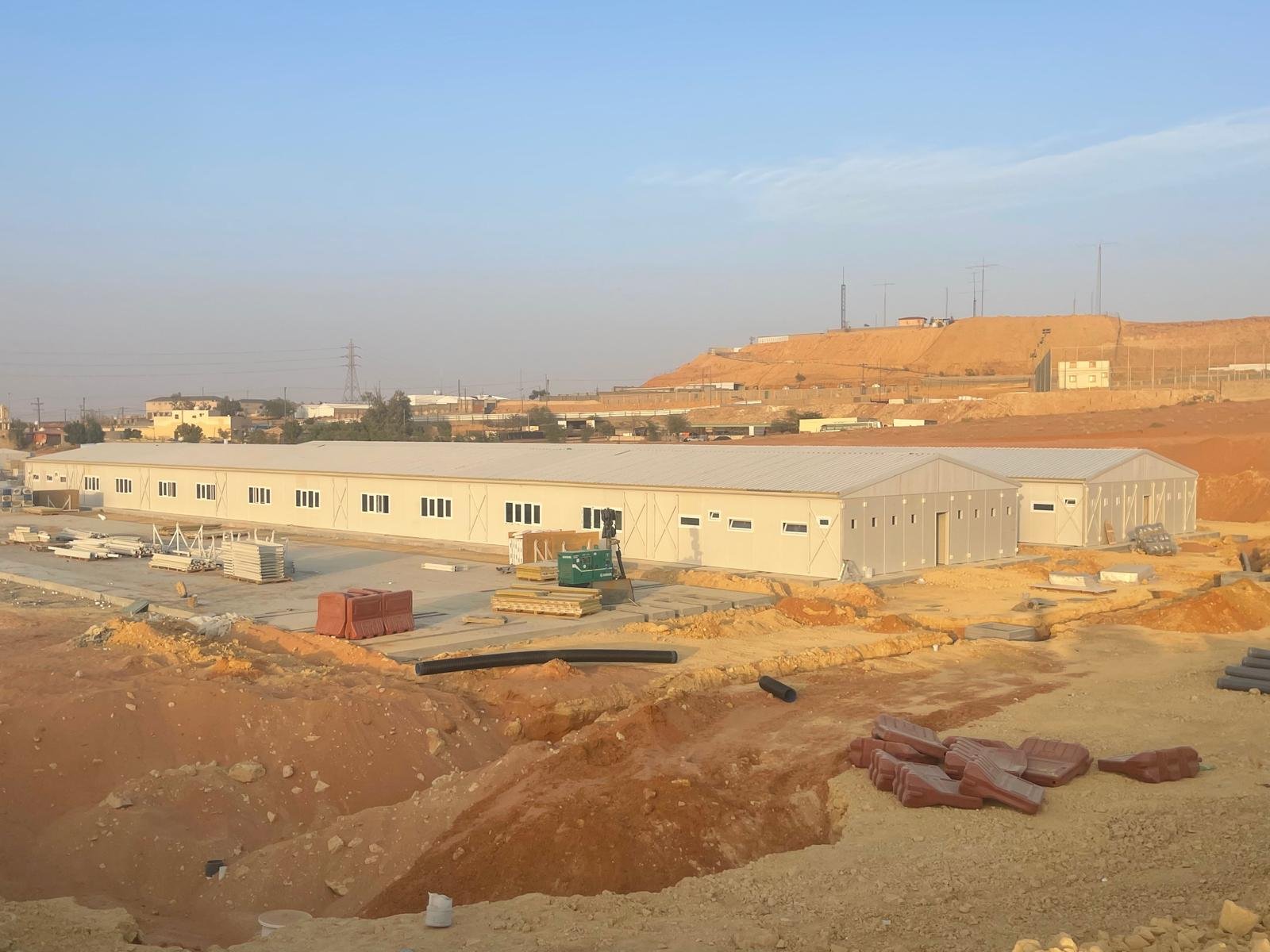
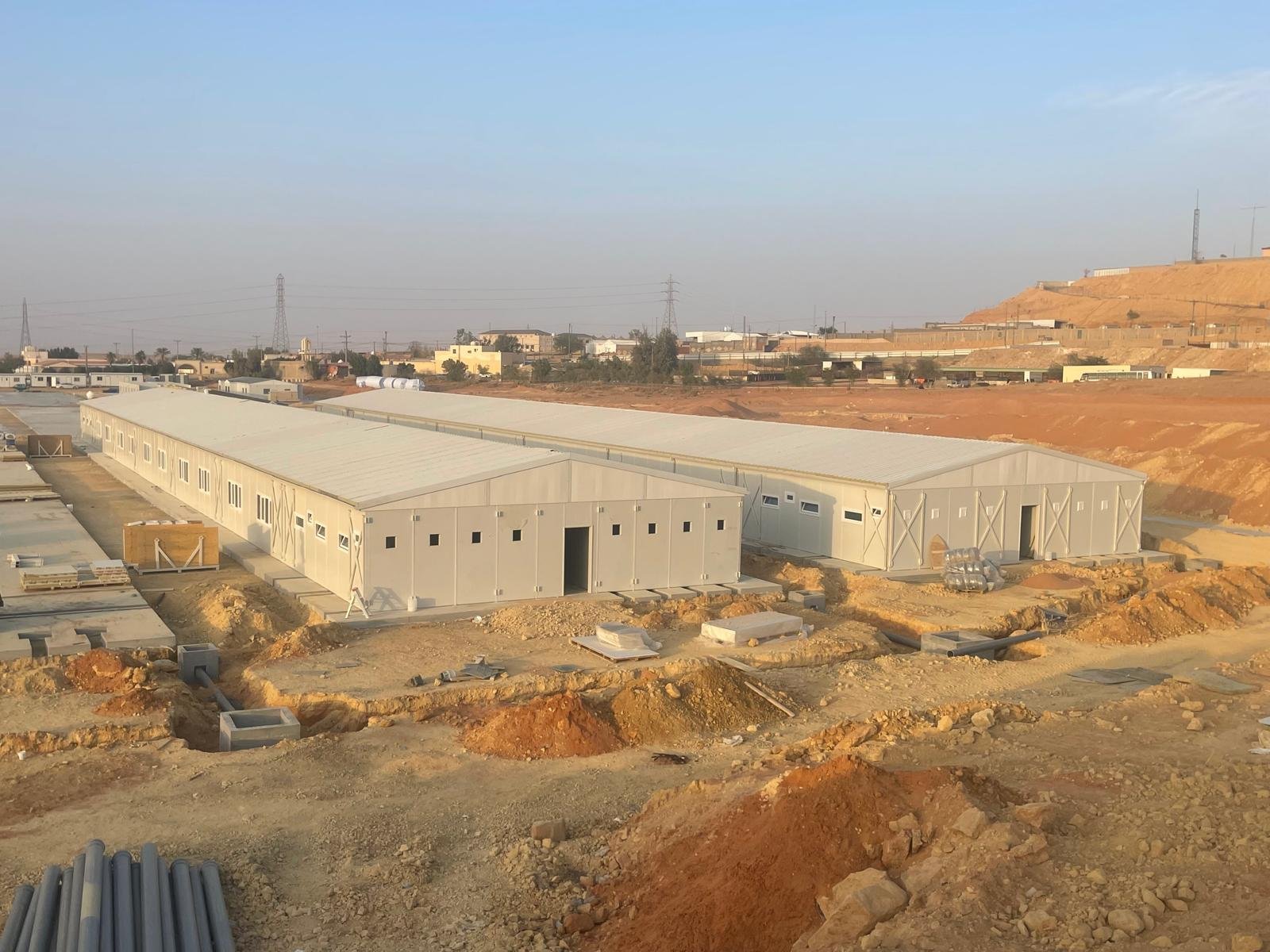
Prefabricated buildings are manufactured with a modular system and assembled on site, making them ready for use in a very short time. This provides great advantages especially in situations such as urgent housing needs, temporary projects, or field hospitals. In addition, prefabricated buildings used for Residential Buildings and Sports Facilities offer flexible designs that can be customized according to requirements and easily expanded. -
Cost-Effective Solutions
When compared to traditional construction methods, prefabricated buildings can be built at significantly lower costs. Both the shortened construction time and efficiency in material usage substantially reduce expenses. This makes them ideal for projects such as Agricultural Buildings and Warehouse Buildings, where cost control is critical. -
Eco-Friendly and Sustainable
Prefabricated buildings are designed to reduce environmental impacts. Less waste is generated during production, and direct environmental damage during on-site construction is minimized. In addition, the energy efficiency of these buildings helps reduce their long-term environmental footprint. -
Durability and Safety
Prefabricated buildings are exceptionally strong in terms of durability and resilience. With a steel frame structure, reinforced concrete foundation, and robust exterior materials, these buildings withstand harsh weather conditions, wind, and rainfall, making them reliable for long-term use across various building types.
Wide Range of Applications
- Residential Buildings: Ideal for fast, modern, and cost-effective housing solutions.
- Agricultural Buildings: Suitable for farms, livestock facilities, and rural operations.
- Sports Facilities: Designed for gyms, training centers, and recreational areas.
- Warehouse Buildings: Perfect for storage, logistics, and industrial use.